Voices from Panama
Bobby Wood: what clean water changes
1:30
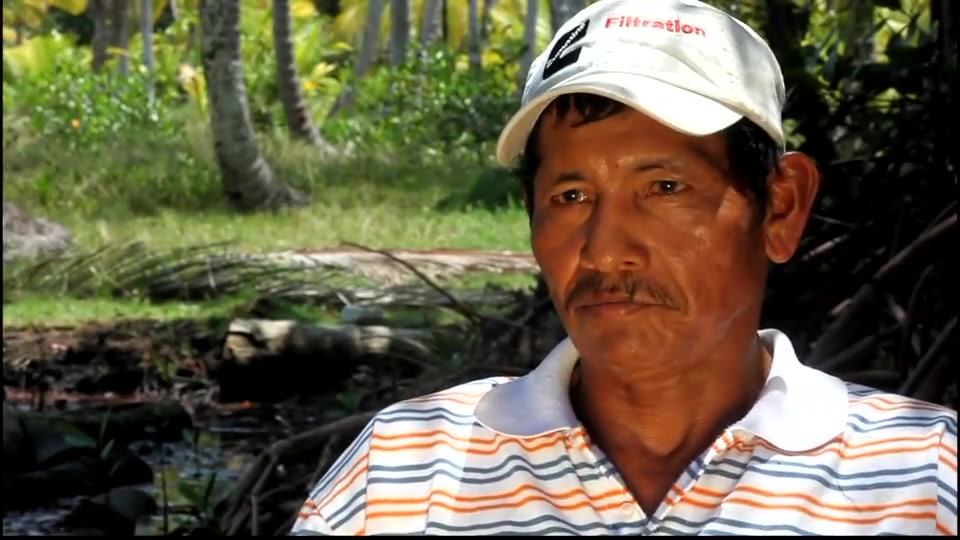
Bobby Wood talks about the effects of clean water in the communities, placing everyday needs at the center of the water work.
Transcript
Read in English
Automatically transcribed from the audio; may contain errors.
My name's Bobby Wood and I'm here on Isla Bastimentos in Panama.
So the tribe of Indians here is the Nobe, the Nobe Bugle, and they typically live in huts
that are elevated with thatch roofs and in pretty simple conditions.
Many of them live in mangrove mud and they don't have access to clean water typically
and so they do a lot of drinking at the creek.
And so one of the things that we've been trying really hard is to work with them
explaining why they have vomiting and diarrhea chronically and a lot of that
comes from drinking unsafe water and also bringing them other sources of
clean water through wells through rainwater collection and and we're so
blessed to have this team here with us a lift in his team from Washington State
really working with a lot of the communities here to bring about rain
water collection and drilling wells for them so we're now seeing with with
this latest team, being able to reach villages that we could have never done on our own because
there are so many resources and a plan and also the ability to teach the local people.
What helps in that department is the fact that they're getting involved now.
They're helping their neighbor.
We're seeing the excitement.
When you have a whole community that's lived with chronic diarrhea and vomiting and then
When you come in with a team, and the team provides all of this information, not only
information about resources and materials, in order to make it happen so that these people
can now have clean water.
Read in Spanish · translation
Draft translation of the automatic transcript; may contain errors.
Me llamo Bobby Wood y estoy aquí, en Isla Bastimentos, en Panamá.
El pueblo indígena de aquí es el Ngäbe, el Ngäbe-Buglé, y normalmente vive en casas
elevadas con techos de paja, en condiciones bastante sencillas.
Muchos viven entre el lodo del manglar y normalmente no tienen acceso a agua limpia,
así que beben mucho del arroyo.
Una de las cosas que hemos procurado hacer es trabajar con ellos,
explicándoles por qué tienen vómitos y diarrea de forma crónica. Gran parte de eso
se debe a beber agua que no es segura, y también les acercamos otras fuentes de
agua limpia mediante pozos y captación de agua de lluvia. Nos sentimos muy
bendecidos por tener aquí a Aleph y a su equipo del estado de Washington,
trabajando con muchas de las comunidades para hacer posible la captación de
agua de lluvia y la perforación de pozos. Ahora, con
este último equipo, estamos llegando a aldeas a las que nunca habríamos podido llegar solos, porque
hay muchos recursos, un plan y también la capacidad de enseñar a la gente local.
Lo que ayuda en ese aspecto es que ahora ellos también se están involucrando.
Están ayudando a sus vecinos.
Estamos viendo el entusiasmo.
Cuando toda una comunidad ha vivido con diarrea y vómitos crónicos y luego
llega un equipo que ofrece toda esta información, y no solo
información, sino recursos y materiales para hacerlo posible, estas personas
ahora pueden tener agua limpia.