Voces de Panamá
David Jeffers: avances de las becas en 2014
4:23
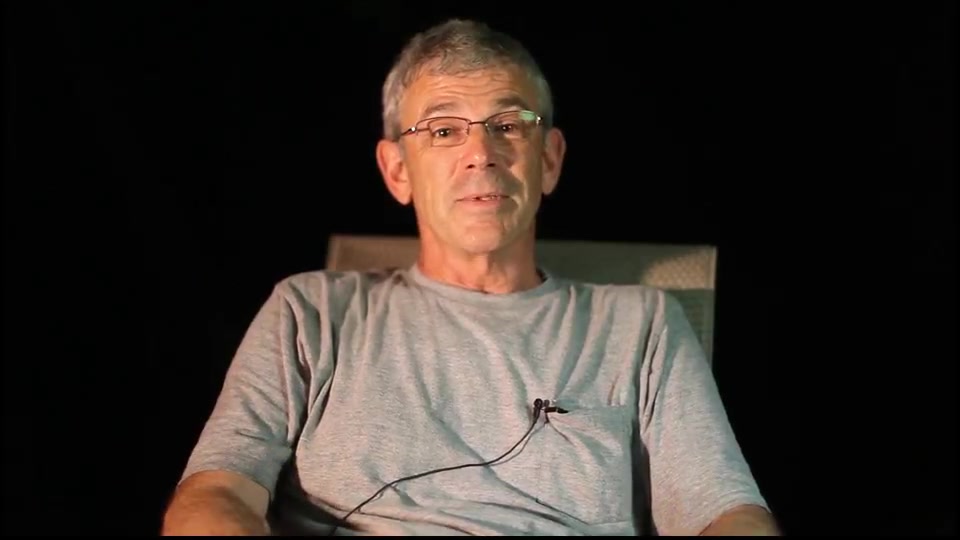
David Jeffers habla del programa de becas de estudio y de sus avances en 2014. El trabajo de becas nació de las mismas amistades que dieron origen a los proyectos de agua.
Transcripción
Leer en español · traducción
Traducción provisional de la transcripción automática; puede contener errores.
Y luego está la educación. Bueno, esa casa de la que hablas es nuestro ejemplo más claro de éxito.
Es más que eso.
Sí, bueno, va por ese camino, pero son ellos los que están yendo a la universidad.
Para mí es un contraste enorme, porque una de ellas está estudiando para ser enfermera titulada.
Se fue a la gran ciudad para asistir a la universidad y estudiar enfermería.
Trabaja con la tecnología más moderna. Vive en una pensión donde hay electricidad e internet.
Tiene todo lo que cualquiera tendría en la sociedad occidental.
Y cuando viene aquí para vernos o vuelve a casa durante las vacaciones,
regresa a una choza sin agua corriente ni electricidad, que literalmente se está cayendo al mar y cuyo techo tiene goteras.
La mayoría de nosotros ni siquiera la usaría como cobertizo para herramientas en casa, de lo mal que está.
Pero su familia está allí. Y creo que esa familia ha tenido tanto éxito porque
comprendió que esta era su única salida de la pobreza:
a través de sus hijos. Empezó gracias a las relaciones personales y, en el último año o dos,
lo hemos ampliado para que cualquiera pueda solicitar este apoyo. Estudiamos cada caso
y, siempre que cumplan las reglas y las condiciones que tenemos…
¿En qué se diferencia de lo que hacen los demás? No tengo ni idea. Nosotros lo hacemos
sin que nadie cobre por este trabajo. Cada persona que viene paga
sus propios gastos y después trabaja muchísimo. No es una manera de ganar dinero.
La gente lo hace de corazón, y creo que eso es lo más
importante. Me gusta mantener las cosas lo más sencillas posible. No me interesa
tener mucho papeleo, gastos administrativos ni nada de eso. Asumimos nuestro primer
gasto administrativo después de diez años. Ahora tenemos el primero, que son cien
dólares al mes para las personas que tienen que recorrer la isla
y distribuir el dinero todos los meses. Tuvimos que pagar eso porque
ya no vivimos aquí. Pero creo que está bastante bien: diez
años y este es nuestro primer gasto administrativo. Sinceramente, no sé lo que
hacen los demás, y no quiero parecer arrogante. Supongo que simplemente sigo adelante
con la responsabilidad que me han dado. ¿Cómo amplías el sistema, entonces,
si hay que manejar dinero en efectivo? Porque no es como si pudieras conectarte a internet.
Bueno, sí, funciona. Al principio, Joellen
vino y me dijo: «Hay unos niños muy inteligentes a quienes tenemos que mantener
en la escuela». Eso fue hace diez años. Entonces eran entre trescientos y quinientos dólares para ese
año, y podíamos hacerlo. Unos años después,
eran dos mil o tres mil dólares, y también pudimos. Este año fueron diecisiete mil dólares.
Y también conseguimos hacerlo.
De verdad que me asombra, y no ha habido una gran subvención.
Sería estupendo, pero en realidad el apoyo viene de personas: cien dólares aquí, doscientos
allá, personas que quieren apoyar a estos niños y contribuir a su educación.
Y es muy conmovedor
cuando hay tantas personas involucradas.
Un poco más complicado, me imagino.
Nos da mucho más trabajo, pero todos los años sale adelante.
Es realmente un milagro que ocurra.
Cada año conseguimos los fondos
y nunca hemos tenido que decirle que no a un niño
porque no hubiera dinero.
Hemos dicho que no cuando no han cumplido
su parte del acuerdo,
porque somos bastante estrictos con eso.
De hecho, somos muy estrictos, porque estamos administrando el dinero de muchas otras personas.
Tenemos la responsabilidad de rendir cuentas.
Leer en inglés
Transcripción automática del audio; puede contener errores.
And then the education, well, but the house you're talking about, that's our shining white of success, you know.
It's more than that.
Yeah, well, it's getting there, but that's the one that they're going to the university.
And it's such a paradigm to me in my mind because one of them is becoming a nurse, an RN.
So she's gone to the big city to go into the university to become an RN, you know.
And so she works with the latest greatest technology. She's in a boarding house, you know, it's it's electricity. It's internet
It's you know everything that everyone would have you know in Western society
And then when she comes here to meet us or come home, you know on our vacations and stuff
She goes into a shock that has no running water. No electricity is literally falling into the sea the roof leaks
You know, I mean most of us wouldn't use it as a tool shed back home because it's such bad shape
You know what the family is there, so it's just and in that family I believe the success is so good because
They grasp the fact that this is their only way out of this poverty
You know is through their kids. It started as relationship based and I guess now in the last year or two
we have expanded it to anyone can can apply for this you know and we'll look
at them and as long as they follow the rules and the stipulations we have and
how's it different than everyone else is I haven't a clue you know we we do it
as nobody gets paid here for doing this and everyone that comes here pays their
way and then they work their tails off. You know, it's not a way of making money.
People are doing it from their hearts, you know, and I think that's the biggest
thing. I like to keep things as simple as possible, you know, not interested in a
lot of paperwork or overhead or things like that. We took on our first
overhead ten years. We now have our first overhead and that's a hundred
dollars a month for the people who actually have to drive around the island
and distribute the funds each month you know so we had to pay that because we
no longer live here yeah but I think that's pretty good you know for ten
years and now this is our first overhead yeah I honestly don't know what
everyone else does and I don't mean to be arrogant I guess I am I'm just running
with a ball that's I've been passed so how do you expand the system that anyway
that requires handling the cash because it's not like you're gonna connect to the internet
well yeah I mean it works I mean it started out it you know I mean Joellen
came to me she says wow there's some really smart kids we need to keep in
school ten years ago and it was like three to five hundred dollars for that
year you know and that was doable you know and then a few years later you
It was like $2,000 or $3,000, and well, that was doable, and this year it was $17,000.
And that actually became doable too.
I mean, it just amazes me, and there has been no big, giant grant.
I mean, it would be fun, but what it really comes through is individuals, $100 here, $200
there, people who just want to kind of support these kids and buy into the education of
you know, and it's actually pretty moving, you know,
when you have so many people involved.
A little more complicated, I'm sure.
There's a lot more work for us, but every year it happens.
It's truly a miracle that it happens.
Every single year the funds are met,
and we've never had to say no to a kid
because there's no money.
We've said no because they haven't met up,
kept up their end of the bargain
because we're pretty strict about that.
We're very strict about that actually because we're actually dealing with so many other people's money, you know
We have an accountability to do