Voces de Panamá
Una conversación con Dennis
3:19
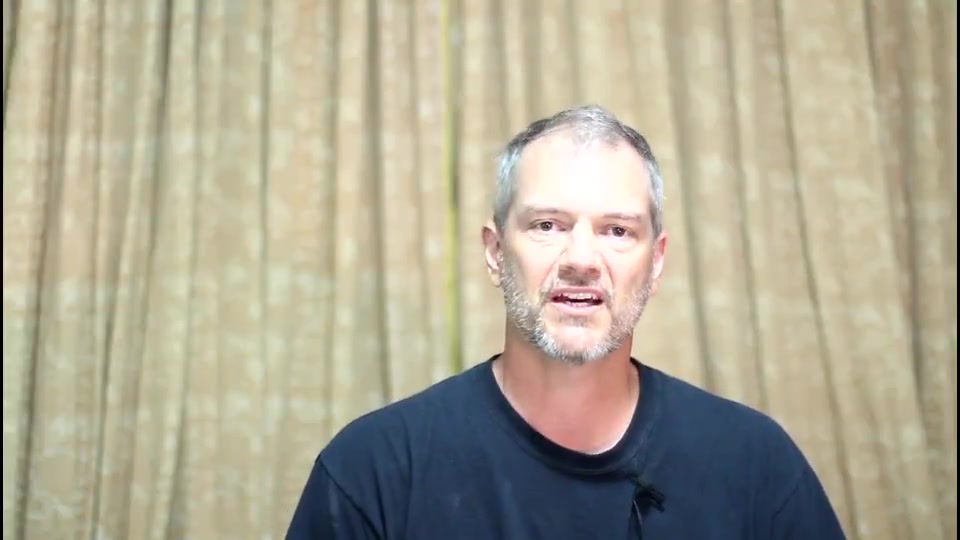
Una entrevista con Dennis durante una visita del equipo a Panamá.
Transcripción
Leer en español · traducción
Traducción provisional de la transcripción automática; puede contener errores.
Me llamo Dennis Beckwith. Estoy aquí en Panamá como parte del grupo que vino con The Healing
Fund. Me enteré de esto por mi hermano, que ha venido durante varios años.
La mayor parte de este grupo vino de la zona de Seattle; yo soy de California. Cuando
supe de la conexión con Rotary, me alegró. Soy rotario desde hace poco,
un año y medio o dos, y pertenezco a un club en Glendora, California.
Es un club con una larga trayectoria que ha participado en muchas cosas, tanto local
como internacionalmente, por supuesto, a través de Rotary International.
Me entusiasmó, lo compartí con mi club y les alegró
conocer esa conexión.
Seré presidente, en realidad presidente electo, no este año sino el próximo, de mi club.
Ha sido una experiencia increíble.
No sabía muy bien qué esperar.
El trabajo del proyecto de agua era algo bastante nuevo para mí.
Había oído un poco al respecto, pero el proceso de captación
es en realidad muy sencillo.
Sencillo, maravillosamente sencillo, y aun así,
como es difícil llevar cosas a Panamá
y transportarlas por el agua hasta estas aldeas,
todavía hay mucho trabajo
para llevar allí la infraestructura,
los tanques y los componentes,
preparar todos estos kits para que puedan
mantener los sistemas. Pero una vez instalado, es un sistema increíblemente
sencillo que funciona muy bien. Fue muy divertido formar parte de
este equipo que lleva años haciendo esto y que ha
tenido un impacto, que ya ha visto el impacto de su trabajo y cómo
han seguido mejorando el proceso, haciéndolo mejor y organizándose cada vez más.
Fue divertido participar.
Cuando tienen un techo de lámina corrugada,
queda un borde uniforme.
Basta tomar el tubo de PVC
y colocarlo a lo largo de ese borde de metal;
el agua baja naturalmente por los canales
hasta el tubo.
El tubo sale del borde del techo
como una bajante de muchas de nuestras casas
y lleva el agua a algún tipo de tanque que la recoge.
Si podemos conseguirles un tanque más grande, pueden guardar mucha más
agua, ponerle un grifo y permitir que otras personas, además de esa casa o escuela, tengan
acceso al agua limpia, porque allí llueve mucho.
Por experiencia, diría que cuando llueve, llueve muy fuerte.
Es un sistema estupendo.
No es difícil de hacer.
Es muy bonito verlo.
Cuando entramos en una aldea, decías: «Sí, allí, allí y
allí instalamos esos hace dos, tres, cuatro, cinco o siete años». Sé
por otras experiencias viajando por el mundo que el agua
es un problema enorme para la gente que vive en
estos lugares, donde simplemente no tienen acceso a agua limpia.
Como todos sabemos, el agua de mala calidad causa mala salud y
muchos otros problemas relacionados.
Es un componente esencial
para las personas que viven en estas circunstancias.
Leer en inglés
Transcripción automática del audio; puede contener errores.
My name is Dennis Beckwith. I'm here in Panama as part of the group that came with Healing
Fund and I actually learned about this through my brother who has come for several years.
Most of this group came out of the Seattle area by myself and from California. But when
I heard about the connection to Rotary I was kind of pleased. I'm a recent Rotarian myself
about a year and a half, two years, and I'm actually out of a club in Glendora, California,
and it's been a long, long-serving club that has involved many, many things, both locally
and internationally, of course, through Rotary International.
And I got excited about it, shared about it with my club, and they were pleased to
hear that connection.
I'll be president actually, president-elect, not this year, but next year at my club.
So it was just an amazing experience.
I didn't really know what to expect.
The water project part of it was something pretty new to me.
I heard a little bit about it, but the catchment process
is actually quite simple.
Simple, it's beautifully simple, and yet,
because things are difficult to get into Panama
and out and travel across water into these villages,
there's still quite a bit that's
involved in getting the infrastructure there,
getting the tanks there, getting the components there,
having all these kits made up, having kits prepared for them so that they can
maintain these systems. But once the system is up it's really an amazingly
simple system that works really well and it's it was really fun to be part of
that team that's this team that's been doing it for a number of years and has
had an impact, seen the impact already on what they're doing and how you've
continued to improve the process, get better at it, get more organized with
with it and it was fun to be part of it.
When they have a roof that has the corrugated metal,
it creates a nice flush edge.
So by simply taking the PVC pipe,
placing along the edge of that metal rim,
the water just naturally runs down those channels
into that pipe.
Pipe is led off the edge of the roof
like a downspout on many of our homes
into some type of a tank that collects it.
Now, if we can get a larger tank to them, that obviously allows them to save much, much more
water, put a tap on it, and then others besides just that home or just that school can have
access to that clean water, because it does rain a lot there.
The rain is heavy, I should say, from experience when it does come.
So it's a great system.
It's not hard to do.
It's kind of cool to see.
and here when we went into a village how you said oh yes there and there and
there we did those you know two three four five seven whatever years ago I know
from other experiences traveling around the world and other places that water
is such a such a huge huge issue for folks people that live in in these
kinds of places where where they just don't have access to good clean water
and of course as we all know poor water leads to poor health and leads to
many, many, many other systemic issues.
So it's such a key core component
to people who are in these kind of situations.