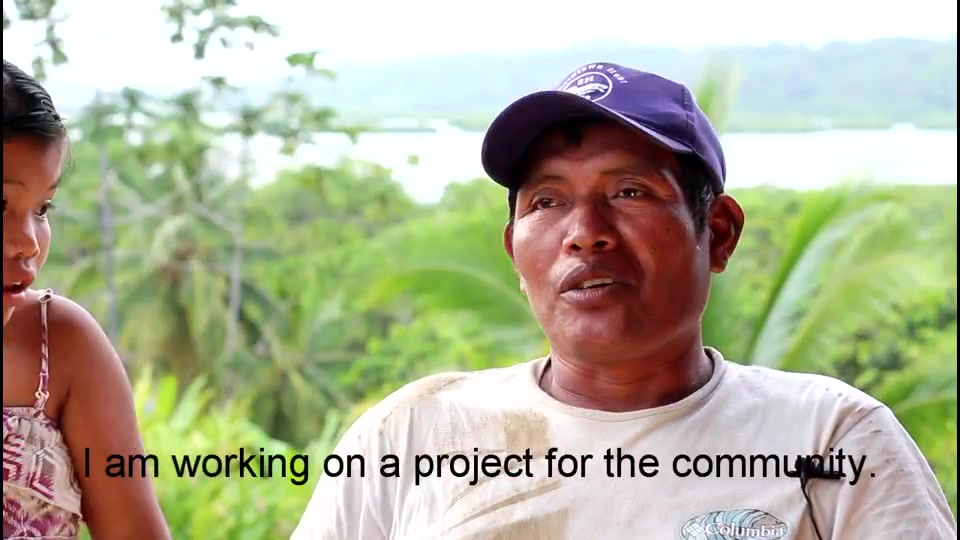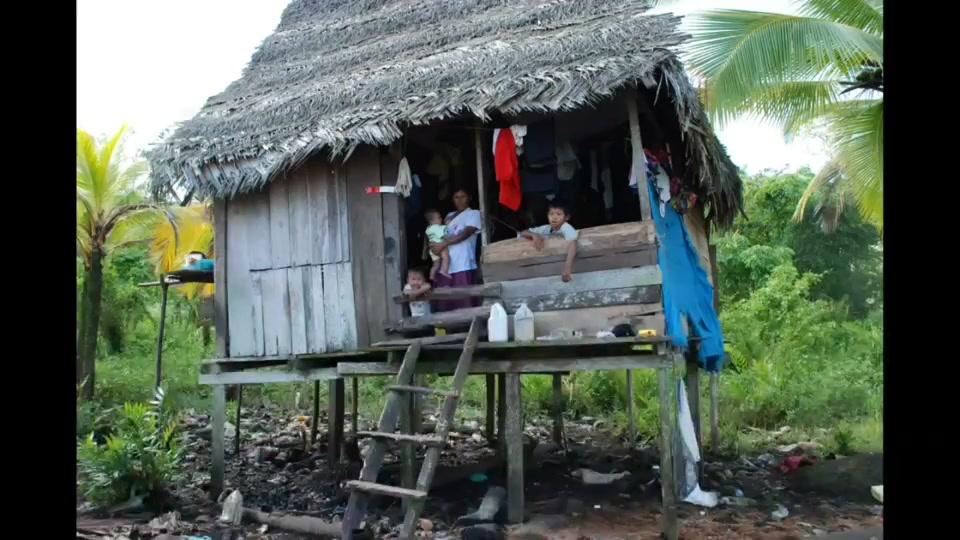
Scenes from The Healing Fund outreach
A slideshow introducing the people and work of The Healing Fund.
Open video page Read transcript ↓Families and water · Bocas del Toro, Panama
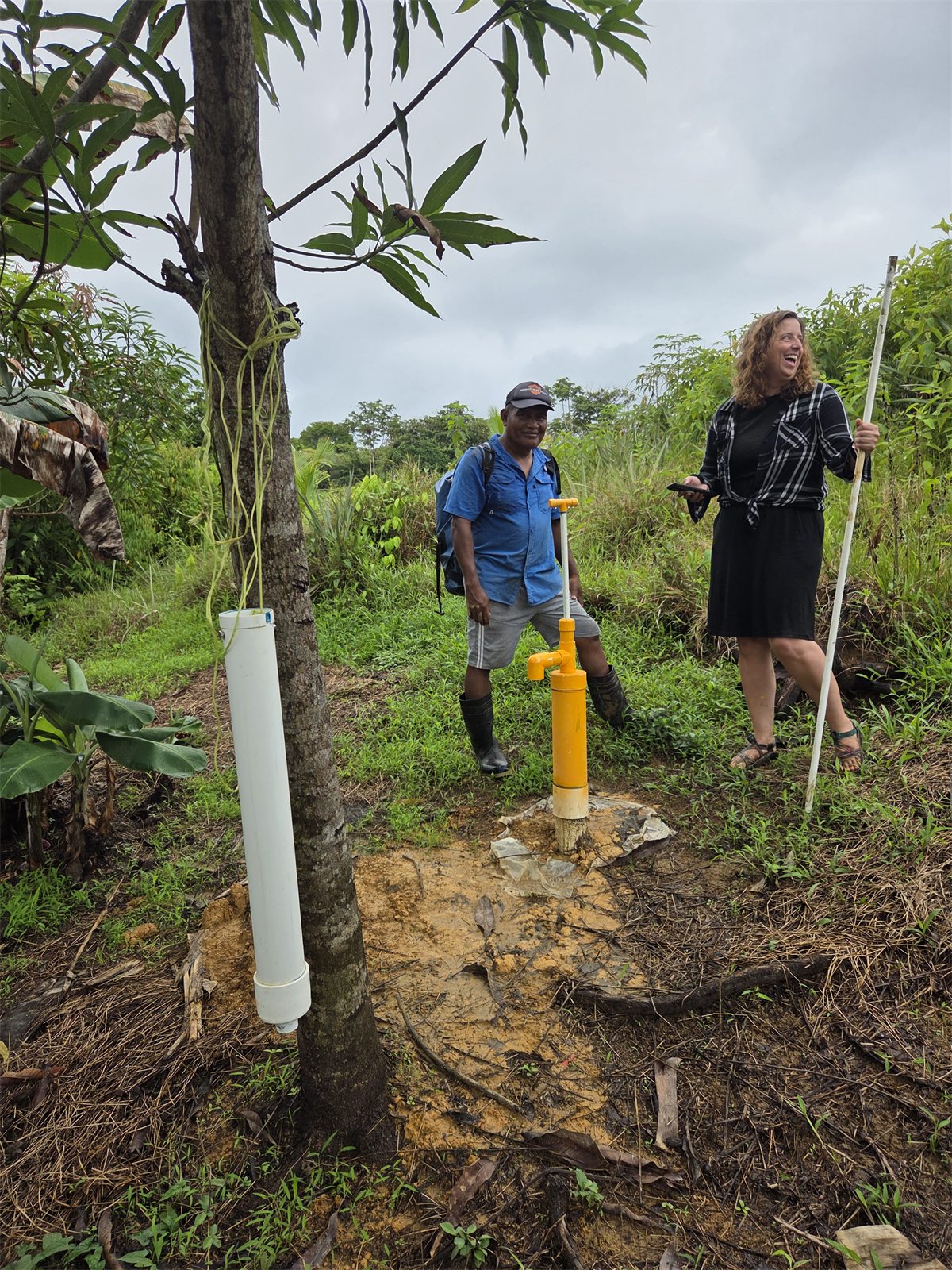
In Panama’s remote island villages, dependable water can make a difference in a family’s health, education, and livelihood. There is no public transportation; families travel in small dugout canoes or pay for expensive water taxis. We help families build wells they can care for themselves. Simón brings local knowledge and year-round guidance. Volunteers and donors provide the pipes, pump parts, and supplies that make each well possible.
What we build together
From our first well in 2011 to work that continues throughout the year.
wells over the years
wells each year
kits during a team visit
mWater
Each well is part of a family’s story. Explore the communities we’ve worked with and follow the ongoing care of their wells.
Explore our wells on mWater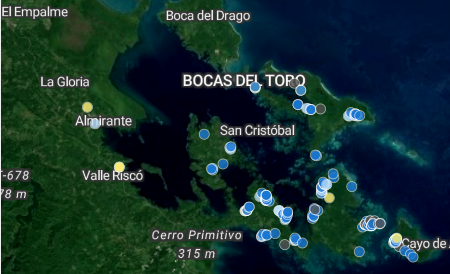
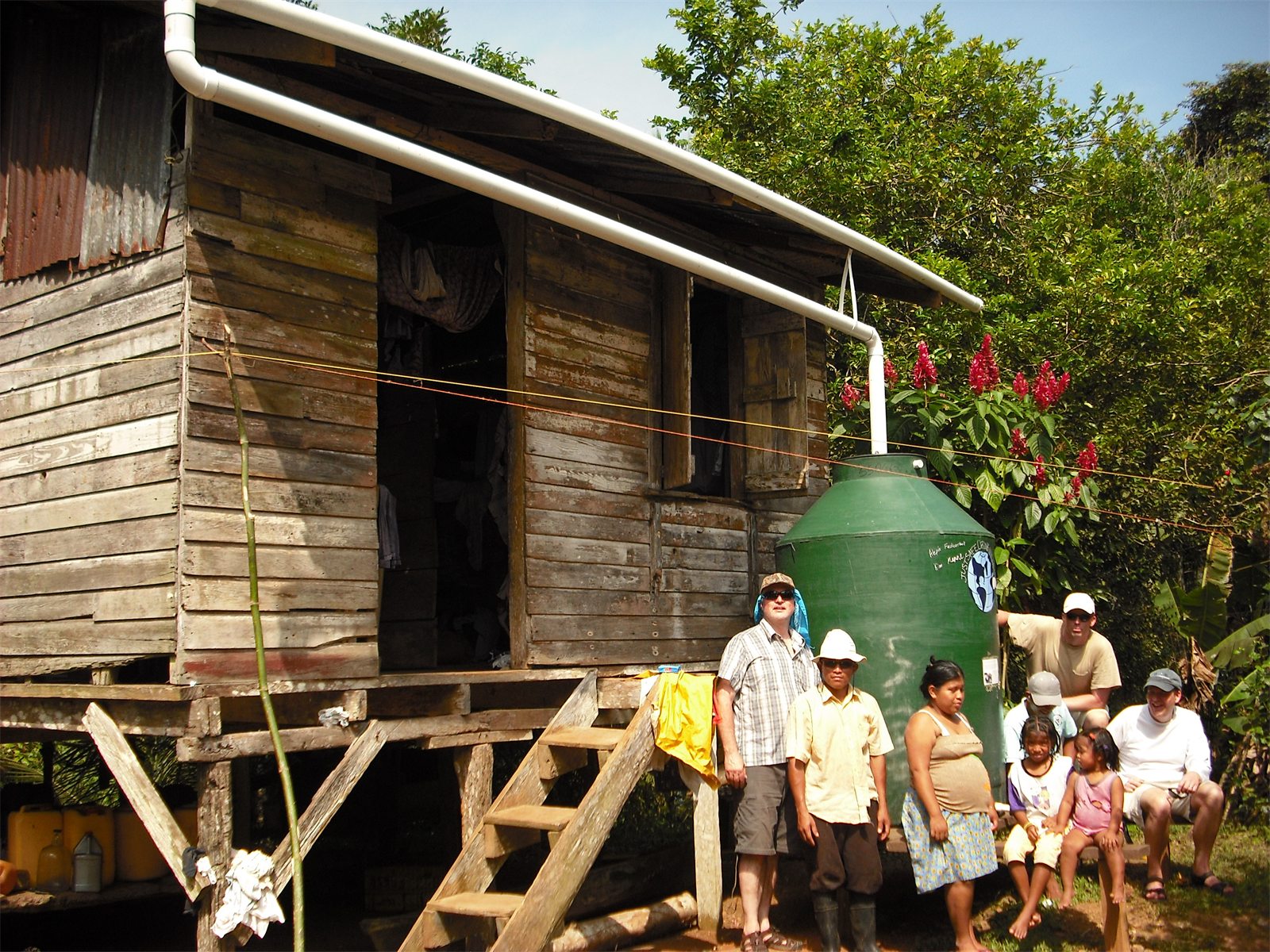
A question that changed the work
Our first trip to Panama was in 2005. Questions at Rotary presentations led to training with Hydromissions and our first well in 2011. Our first hand pump followed in 2013. In 2016, we began coordinating annual trips with Hydromissions, and Simón joined the project.
Field library
Simón and the families bring each well to life, from choosing a location to keeping the pump working. These pictures and stories follow their work. Printable illustrated instructions are available for the teams building wells.
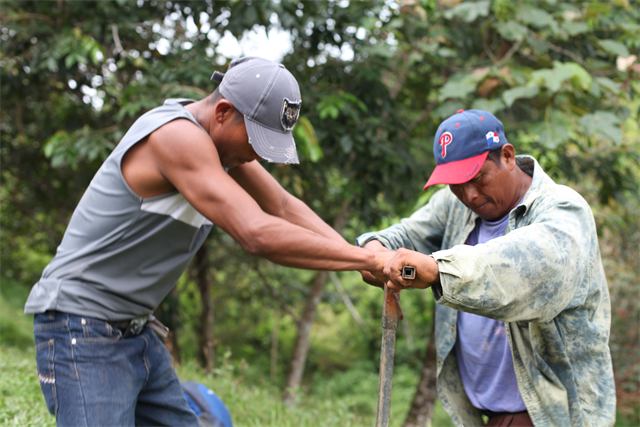
Simón works with community and family members to choose a well site. Nearby families share what they know about year-round water, while he considers the land, contamination risks, and flooding. Two or three strong adults then take turns drilling together with a portable hand auger.
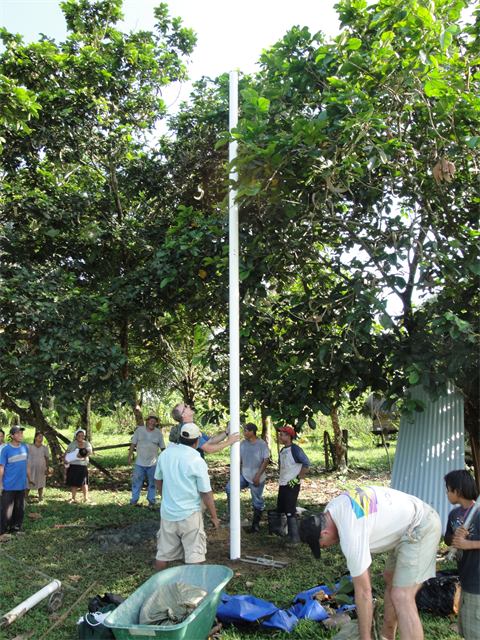
After drilling, the family and crew lower a 4-inch PVC pipe—the well casing—into the hole. Filter cloth and pea gravel around the bottom help keep soil out. The family clears mud and sand with a bailing bucket: a 3-foot PVC tube with a foot valve at the base, lowered on a rope. Simón then returns to finish the base and install the pump.
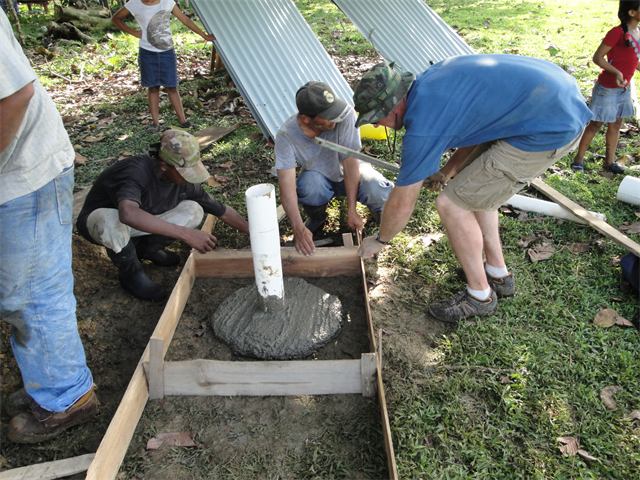
When the family has cleared the sediment, Simón returns for the permanent seal and concrete base. The seal fills the narrow space outside the casing, and a reinforced 4-inch pad supports the wellhead. The coupler remains accessible above the concrete so a damaged riser can be replaced later.
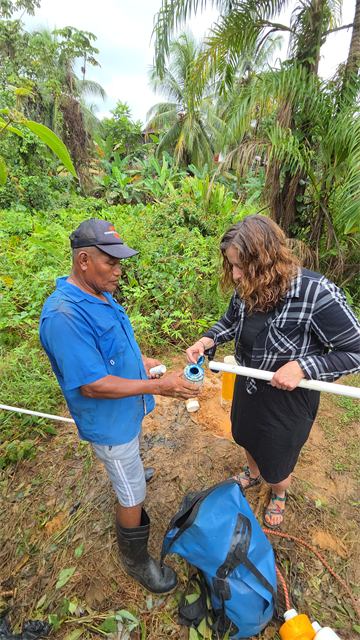
Once the well is ready, Simón helps the family fit the pump. Two pipes, one inside the other, bring water up to the spigot as the handle moves. Their lengths are fitted to each well so the inner valve has room to travel without striking the fixed valve below it.
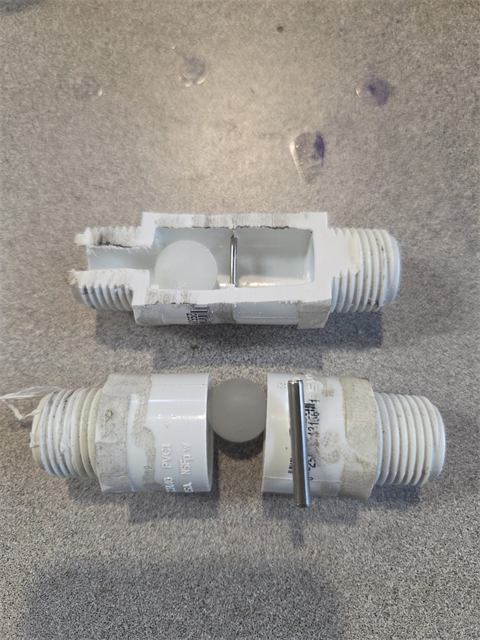
A ball, a pin, and two PVC fittings make a simple one-way valve: water passes through, then the ball closes the opening to stop it flowing back. We can build these valves in batches and send them to Panama. The same ½-inch design works in both parts of the hand pump and in the bailing bucket.
For well-building teams
Complete English and Spanish sheets are available to download and print.
From the field
Meet the people whose knowledge, effort and encouragement keep these projects going.
A slideshow introducing the people and work of The Healing Fund.
Open video page Read transcript ↓Simón speaks about his care for his people.
Open video page Read transcript ↓Give water
Your gift to The Healing Fund helps buy PVC and the supplies we use to build wells and pumps. Hydromissions covers Simón’s salary, fuel, and other operating costs. Volunteers pay their own way.
When donating, select “Water Projects”.
Give through HydromissionsGiving is completed on our partner Hydromissions’ website.
Questions worth asking
The families do, with Simón working alongside them. He teaches them to drill and look after the well. Their effort is what makes this partnership work.
No. Even clear water can contain germs. Boiling the water before drinking kills disease-causing germs, and a clean, covered container helps keep it from becoming contaminated again.
No. The hand auger drills the hole. Casing protects it. The PVC pump is fitted after the well is prepared.
Absolutely. A gift for supplies helps families build wells while you stay close to home. Give through Hydromissions and select “Water Projects”. Volunteers who travel pay their own way.