Our approach

We keep learning. The designs keep improving.

We started with rainwater tanks. Then came wells, bailing buckets, and our first hand pump in 2013. Each trip and repair taught us something. We have kept changing the design to make pumps easier to build, carry, and repair.

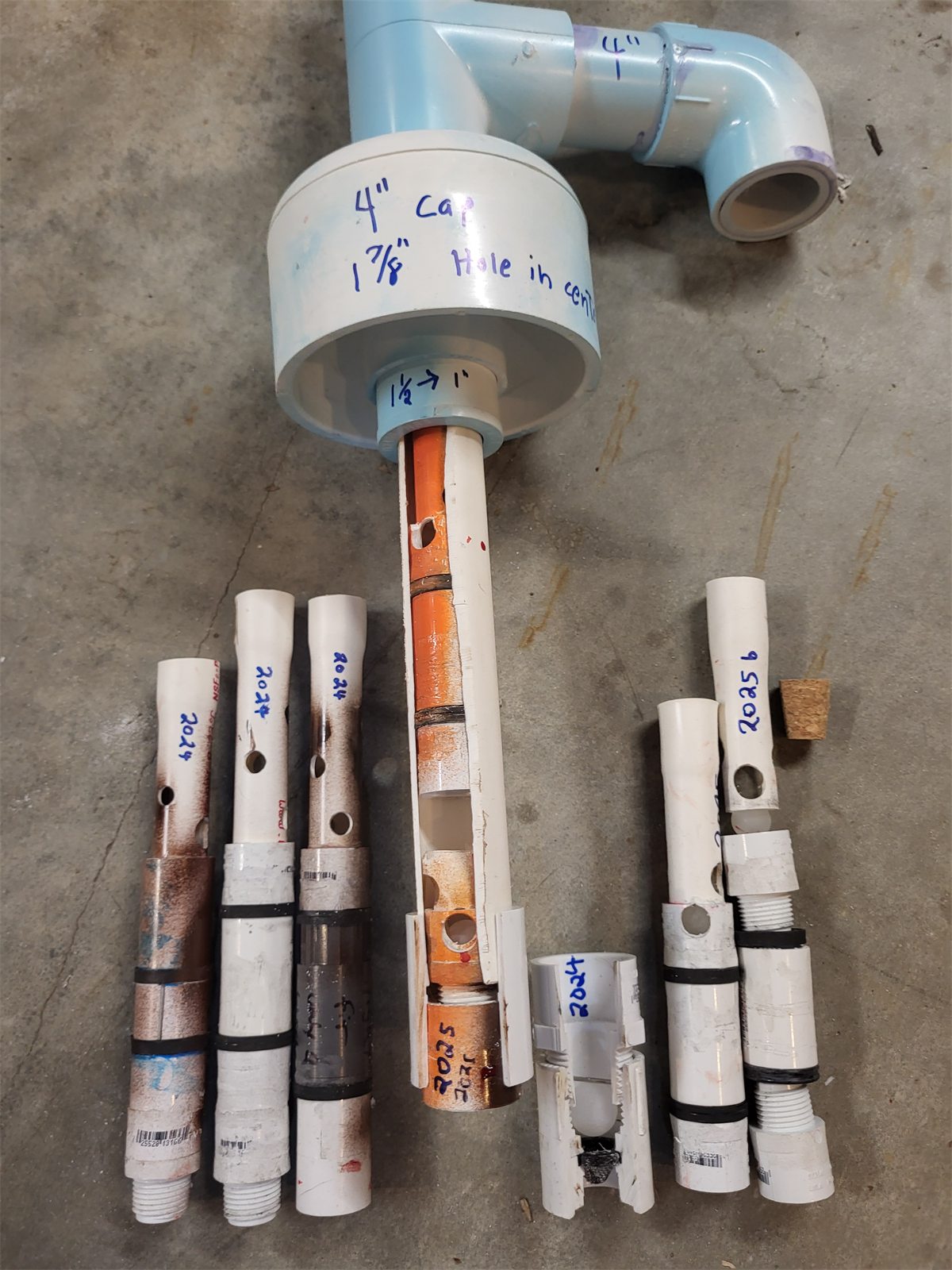
Several generations of inner valve designs
Different inner-valve designs show the project's ongoing practical experimentation.
01

It starts with a family

Simón works with families who are willing to put in the effort a well requires. He helps choose the site, teaches them to use the auger, and works alongside them. As they build the well, they also learn the care it will need afterward.

02

Make the most of each trip

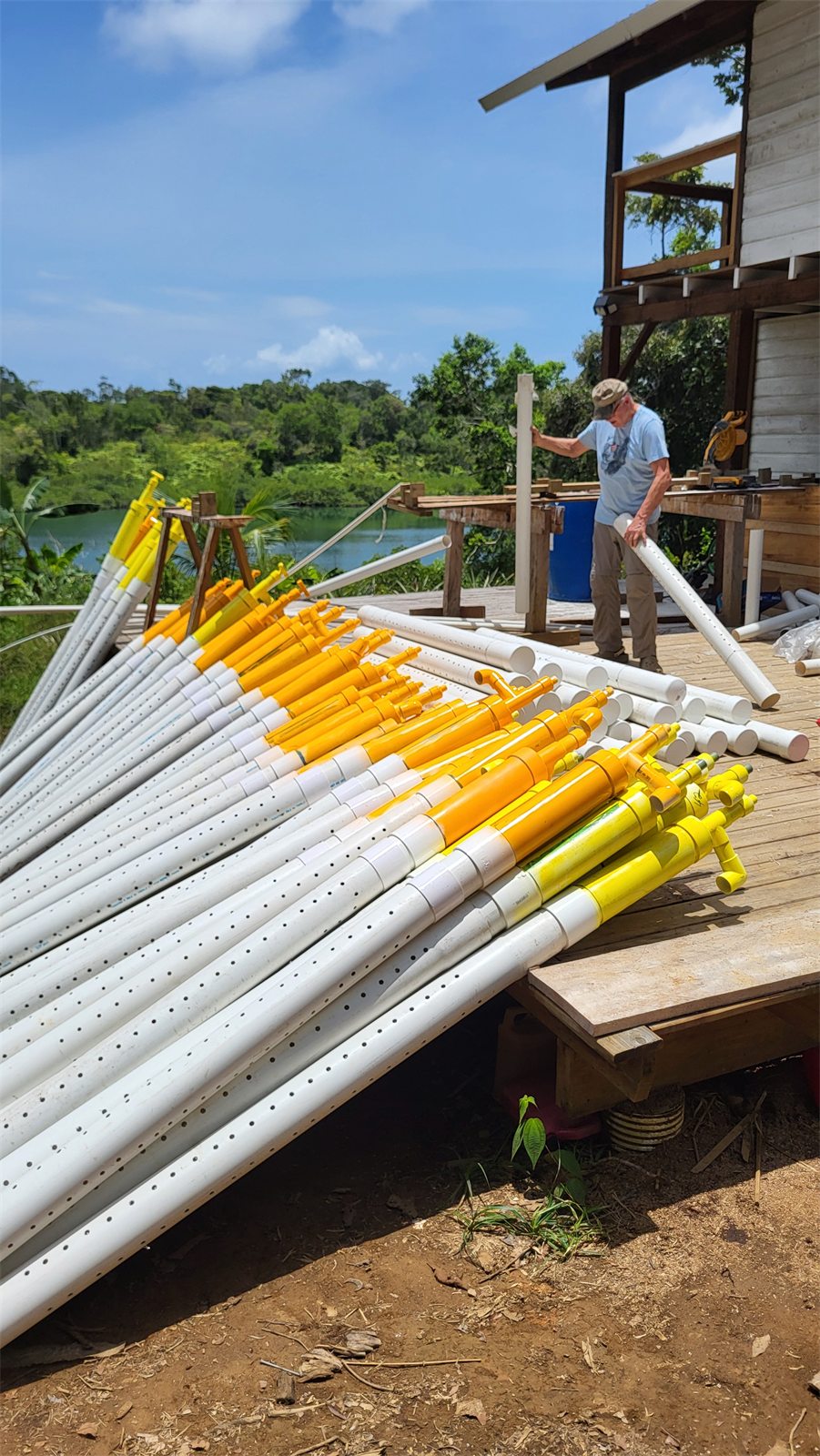
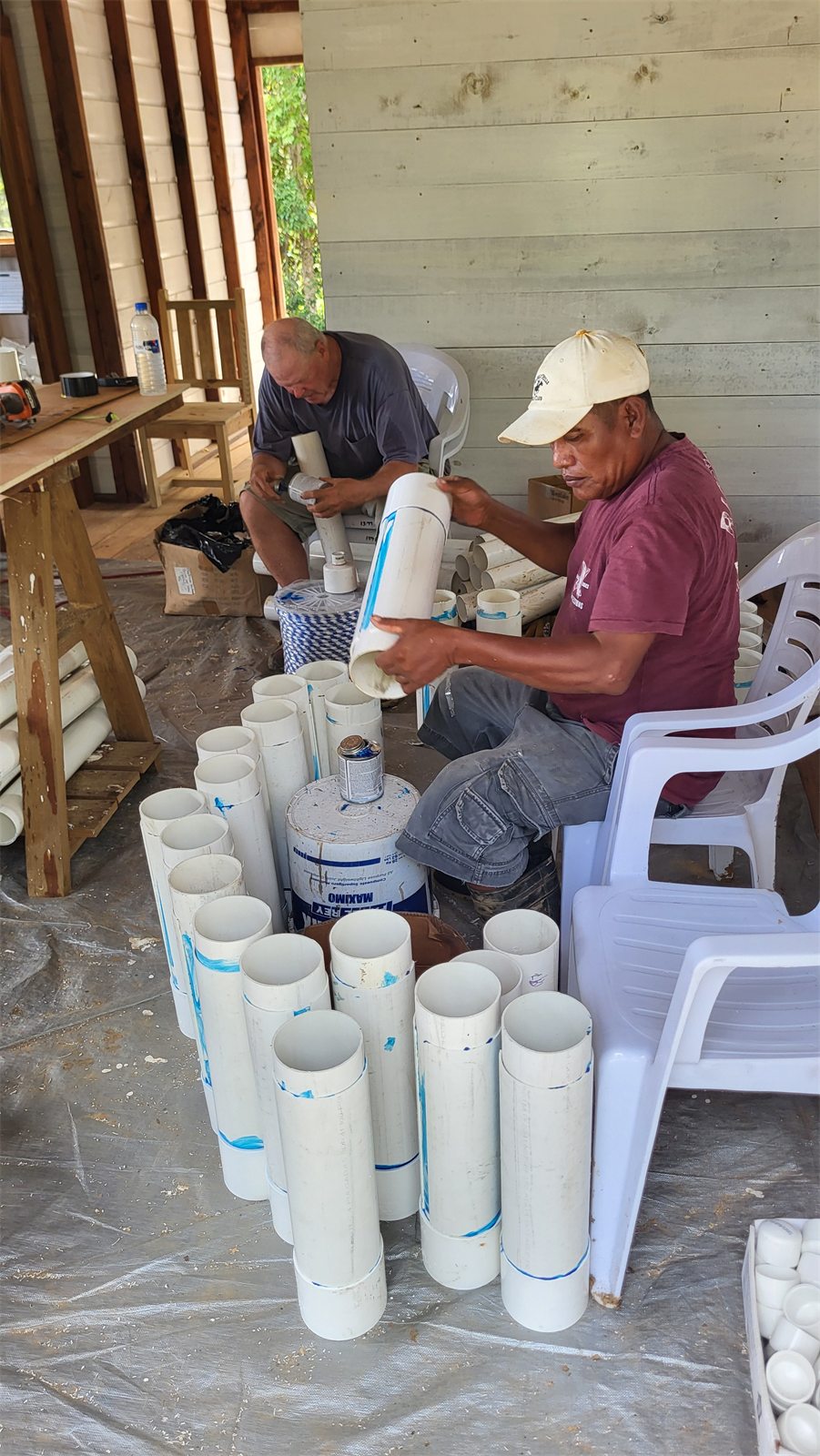
We can do more by preparing kits than by trying to drill every well ourselves. During a visit of about two weeks, a team usually makes 50–75 pump kits. They stay in Simón’s shed, ready to be fitted to each well as families finish drilling and cleaning it.

03

One small valve, several uses

We have been improving our hand pump since 2013. That work led to the universal ½-inch foot valve, a small part we can make in batches and send ahead to Panama. The same valve works at the bottom of the outer pump pipe, on the moving inner pipe, and in the bailing bucket. Using one design makes kits and spare parts easier to prepare.

04

A practical way to help

Donations to The Healing Fund help buy PVC and well and pump supplies. Hydromissions pays Simón’s salary, fuel, and other operating costs, and volunteers pay their own way. A well costs about US$200 overall, though costs vary. To give through Hydromissions, choose “Water Projects” on its donation page.
From the field

Photographs from the project

Open the photograph to see the detail.

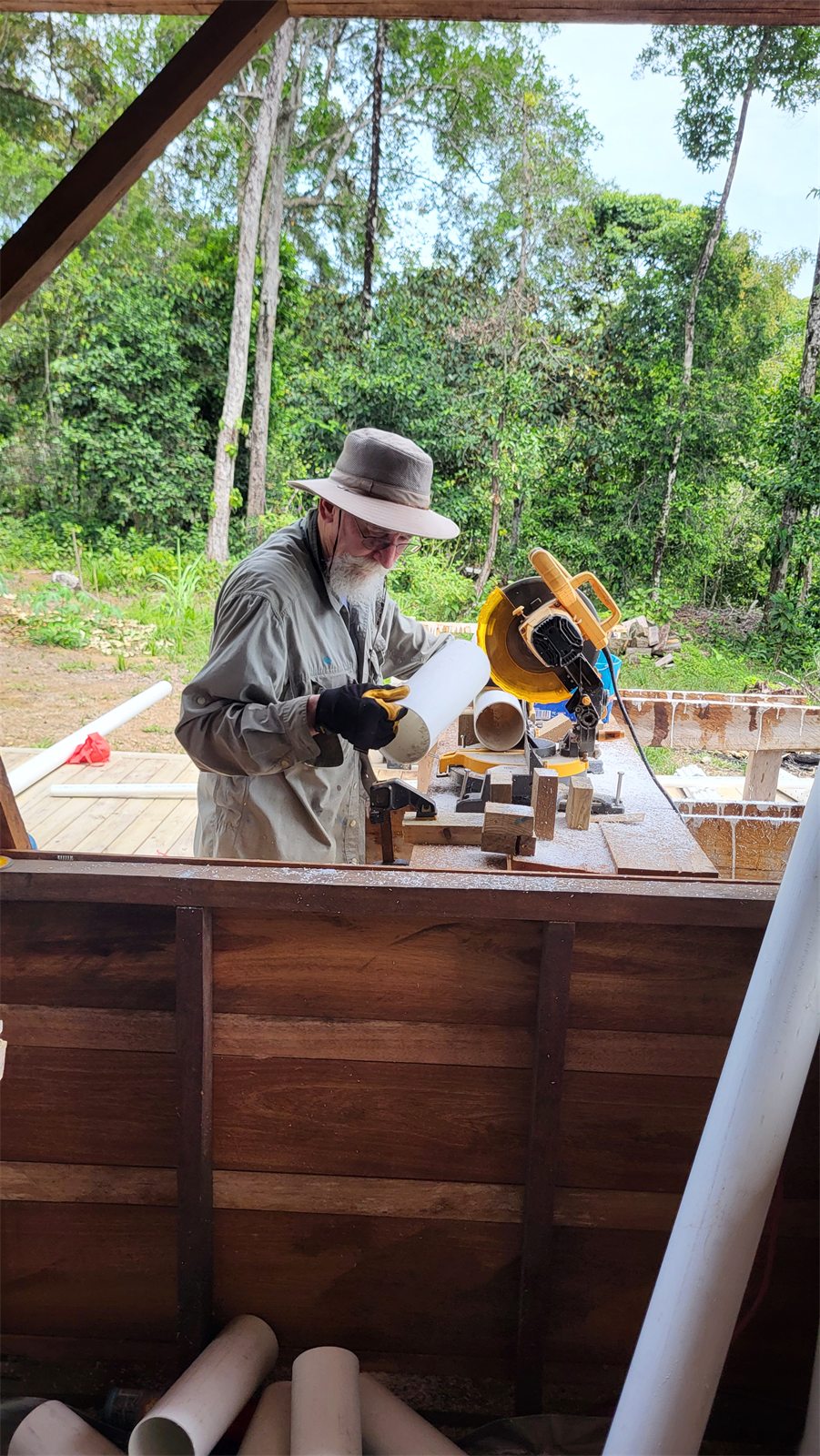
Rob cutting PVC pipe
Prepare the PVC partsRob cuts PVC while the team prepares pump components.
Archive source1c PumpCreation\0d rob cutting pvc.jpg
Simón assembling a spigot riser
Local expertise in each kitSimón assembles a spigot riser.
Archive source1c PumpCreation\1b simon building spigot riser.jpg
Esther painting well casing tops
Protect the exposed partsEsther paints the exposed casing tops to protect the PVC from sunlight.
Archive source1c PumpCreation\4d2 Esther painting the case tops for UV protection.jpg
Assembled PVC pump kits
Modular kits, ready for the fieldAssembled kits can be adapted to a well's depth at the installation site.
Archive source1c PumpCreation\4e fully assembled pump kits .jpg
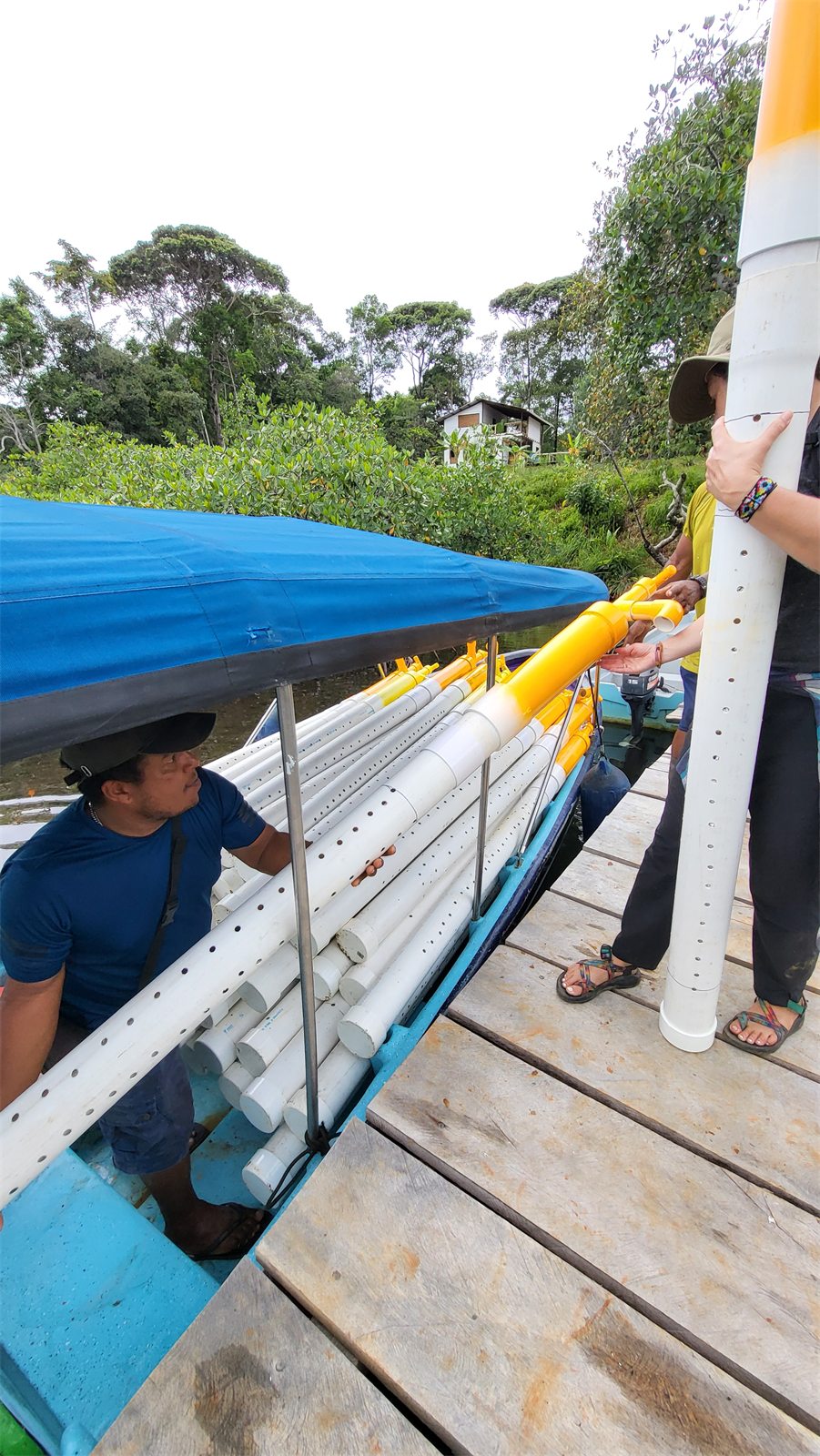
Loading completed pump kits into a boat
From workshop to communityCompleted pump kits are loaded into a boat for transport.
Archive source1c PumpCreation\4g loading completed pump kits into boat.jpg
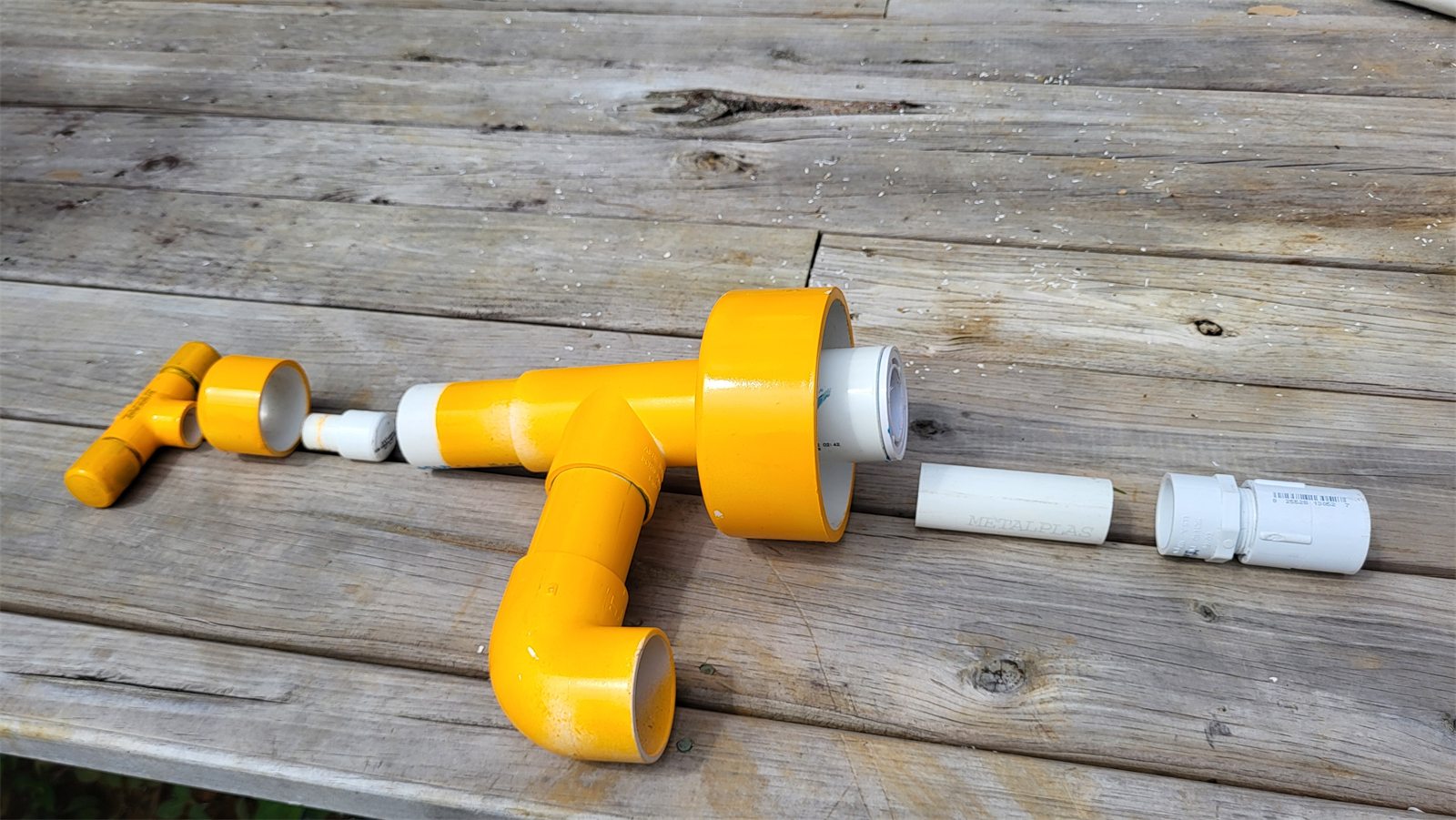
PVC spigot, handle, pipe and valve components laid out
The spigot, handle and valveIndividual PVC components make the pump's construction easier to understand.
Archive source1b PumpSpigotAssembly\0c2 Individual components of spigot and pump handle. and foot valve.jpg
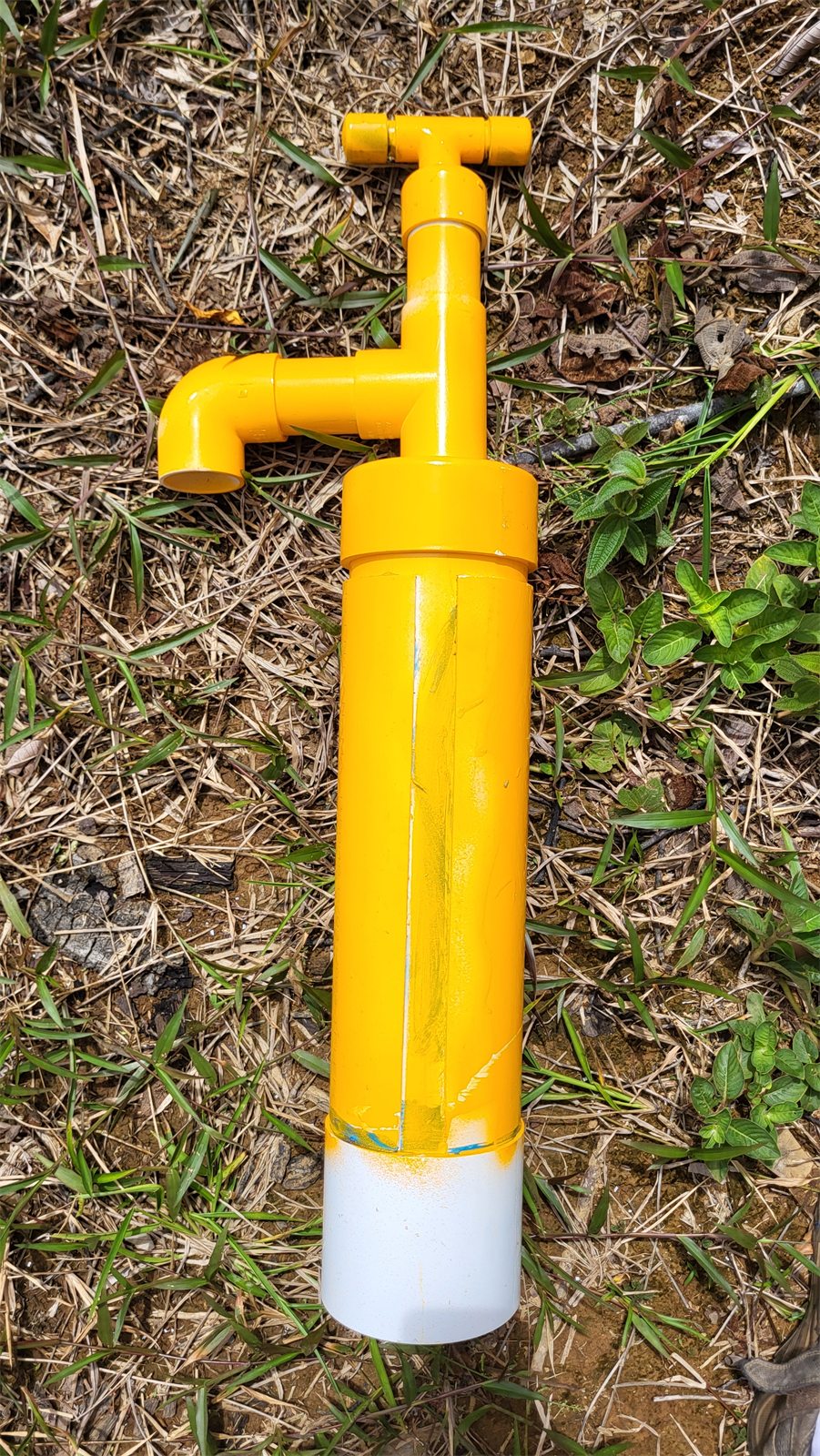
Yellow spigot and riser assembly
The assembled spigot riserThe yellow spigot assembly sits above the larger well riser.
Archive source1c PumpCreation\1d Pump Spigot and riser.jpg
Cutaway PVC pump showing the internal valve assembly
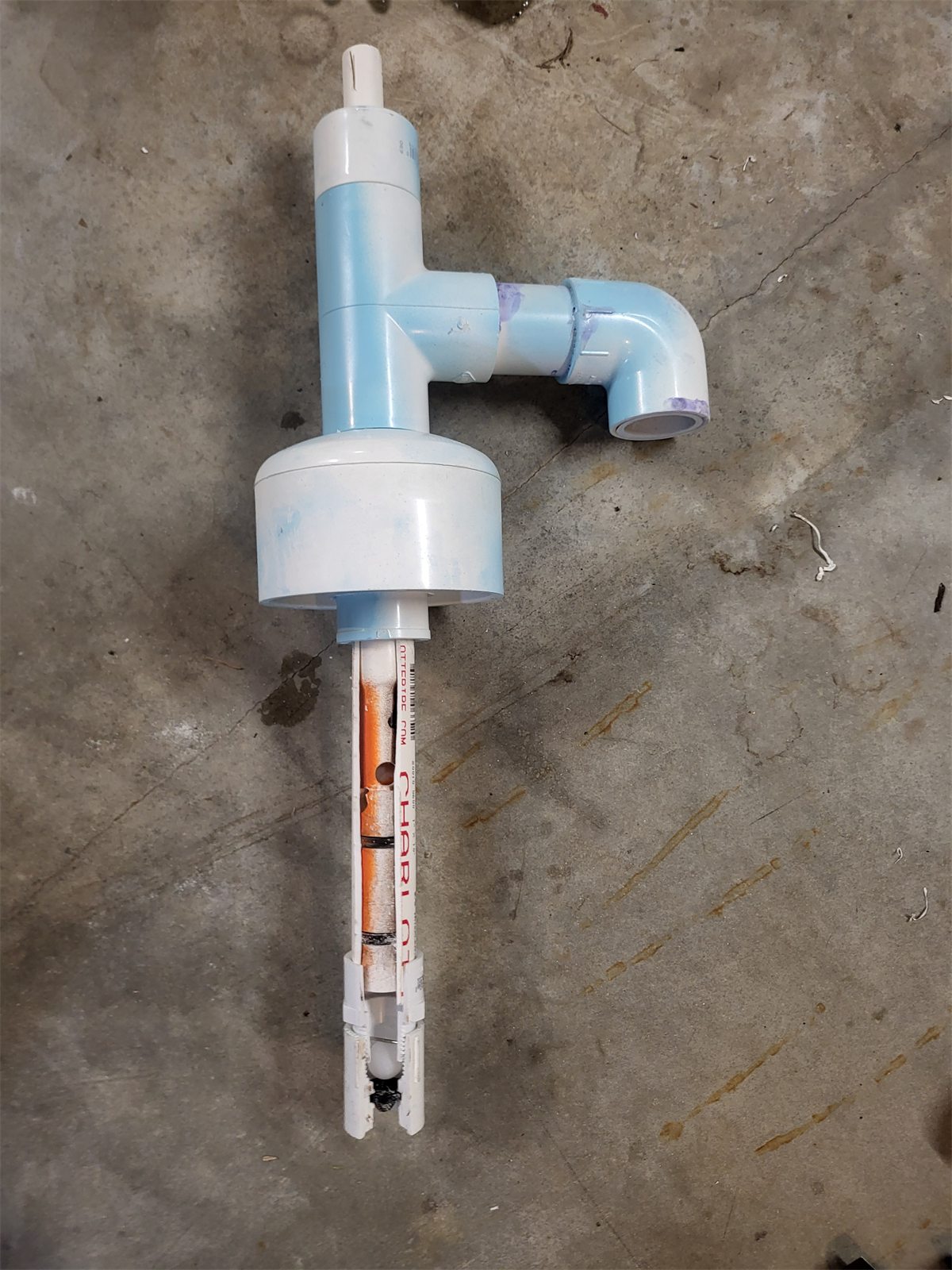
Look inside the pumpA cutaway shows the inner assembly within the outer pipe.
Archive source1b PumpSpigotAssembly\SpigotWithValveCutAway.jpg

Give water

Help the next family build a well.

Your gift to The Healing Fund helps buy PVC and the supplies we use to build wells and pumps. Hydromissions covers Simón’s salary, fuel, and other operating costs. Volunteers pay their own way.

When donating, select “Water Projects”.

Give through Hydromissions

Giving is completed on our partner Hydromissions’ website.

Download JPG